
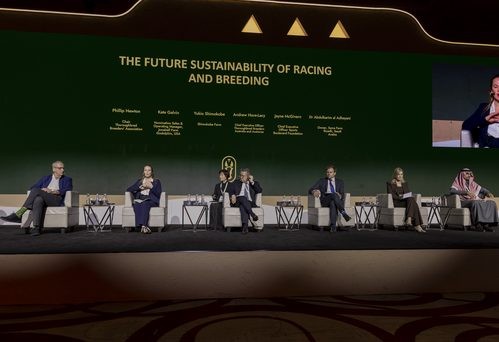
Thursday 12 February, 2026 – Breeders from across the globe painted a mixed picture about the health of the breeding sector, but were aligned on the need for a coordinated approach, with welfare at its heart, to ensure strong yearling sales and production of foals leads to a vibrant racing programme and a sustainable sport, the 41st Asian Racing Conference heard on Thursday.
Leading industry figures from Europe, the Middle East, North America, Asia and Australia acknowledged both the resilience of the horse breeding industry and the significant pressures it faces, from rising costs and changing consumer expectations to competition for talent.
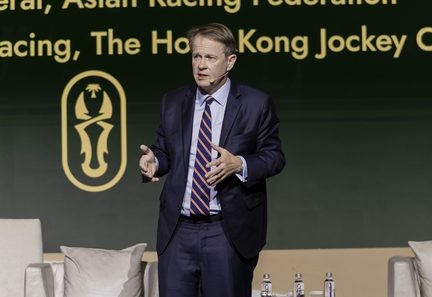
Mr Philip Newton, Chair of the Thoroughbred Breeders’ Association, said the industry remained fundamentally strong but could not afford complacency.
“We are still producing outstanding athletes and attracting investment, but the margins are tighter and the scrutiny is greater than ever,” Newton said. “If breeders are to thrive, we must work collectively across jurisdictions, particularly on issues such as welfare, traceability and sustainability. Public confidence is no longer optional, it is essential.”
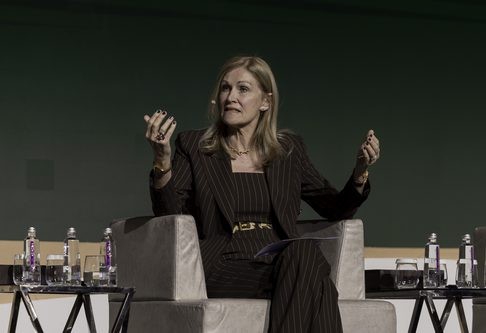
Ms Jayne McGivern, Chief Executive Officer of the Sports Boulevard Foundation, said “The future of breeding is inseparable from the future of racing’s relationship with society. Welfare, transparency and integrity are not just industry issues, they are public expectations. If we meet them honestly, the industry can grow with confidence.”
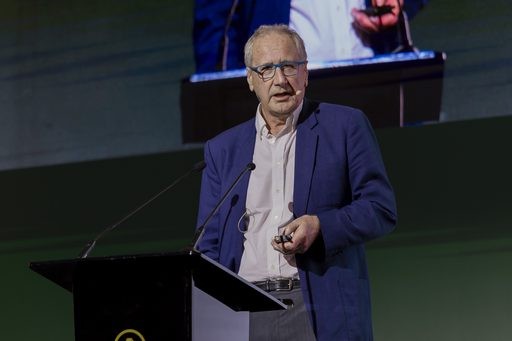
Japanese breeder Mr Yukio Shimokobe said Japan’s success on the international stage demonstrated the value of patience and long-term planning.
“Japan invested for decades in broodmare quality, stallion selection and horsemanship,” he said. “The lesson for the global industry is that sustainable success does not come from short-term trends, but from consistent policy, education and respect for the horse.”
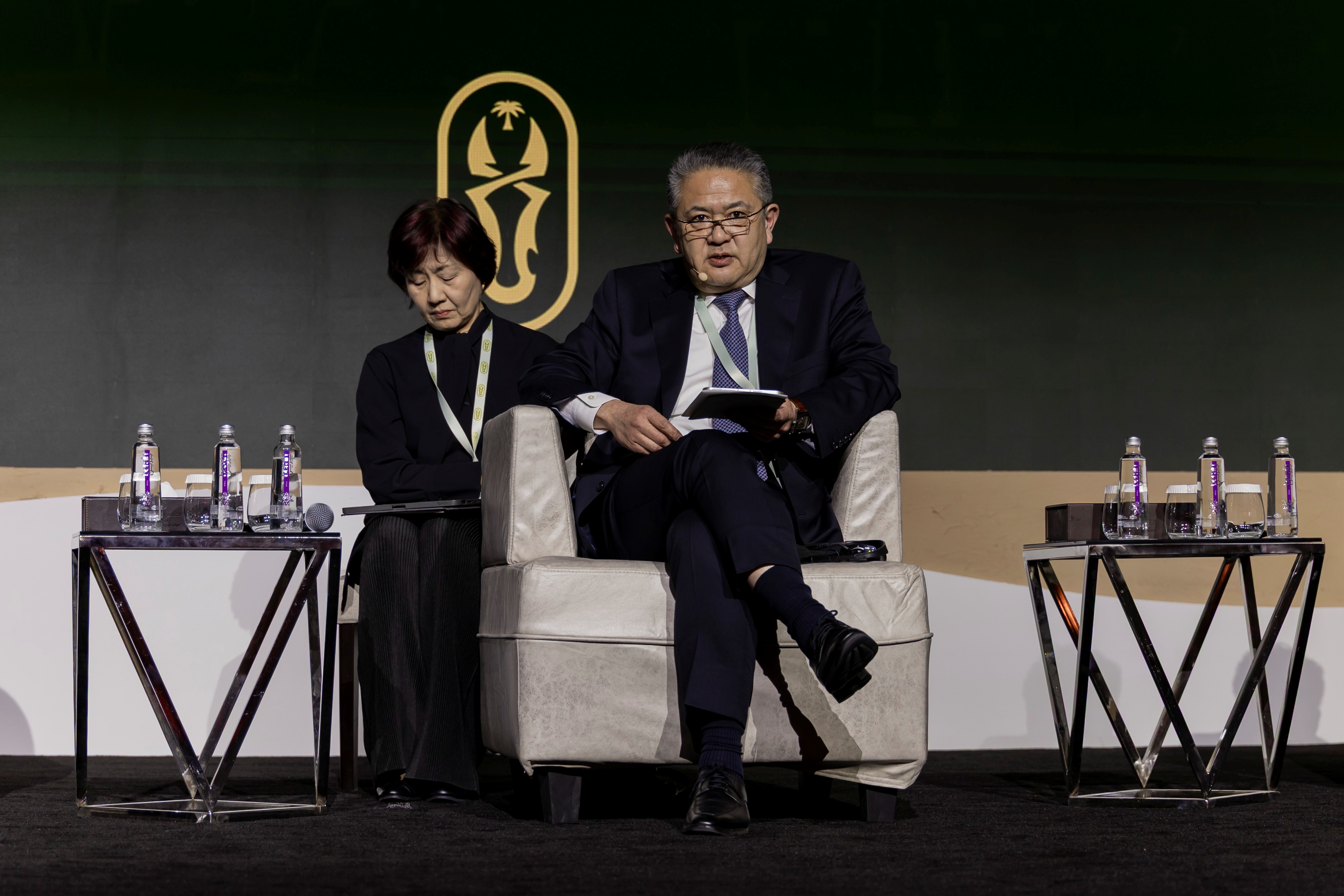
Dr Abdulkarim Al Adhayani, owner of Sama Farm in Riyadh, highlighted the growing role of emerging racing nations in supporting the global breeding ecosystem. “The Middle East has shown long-term commitment to breeding, racing and infrastructure,” he said. “But growth must be responsible. Our future depends on showing that horses are cared for throughout their lives, not just while they are racing or breeding.”
Ms Kate Galvin, Nomination Sales and Operating Manager at Jonabell Farm for Godolphin USA, noted that commercial markets remained selective, with buyers increasingly focused on athleticism, durability and transparency. She also noted the changes to tax laws in Kentucky which had brought new revenues into the system.
“There is still strong demand at the top end, but buyers are far more educated and discerning,” Galvin said. “They want to know how horses are raised, how farms operate and how welfare is embedded into daily practice. That is shaping breeding decisions in a very real way.”
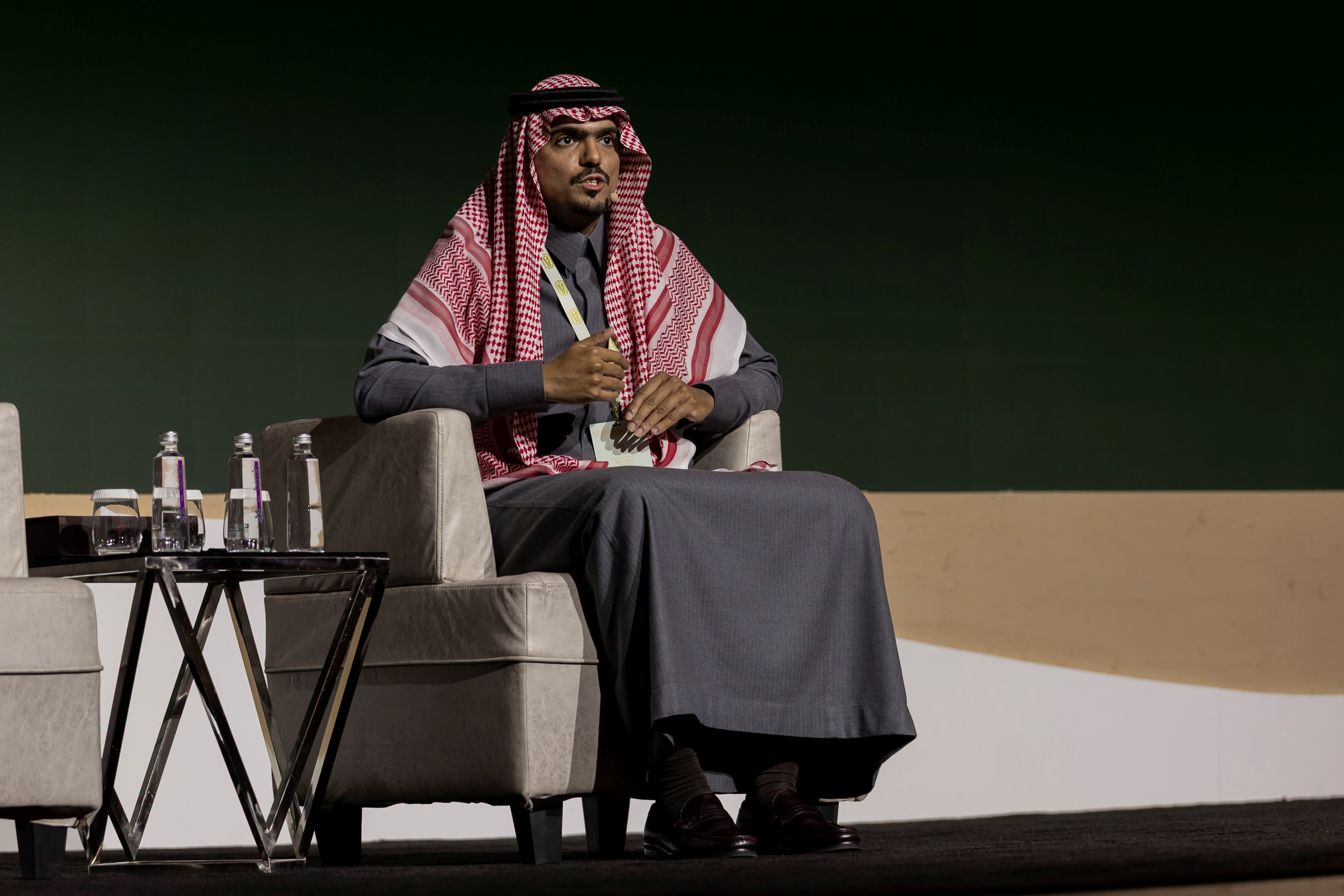
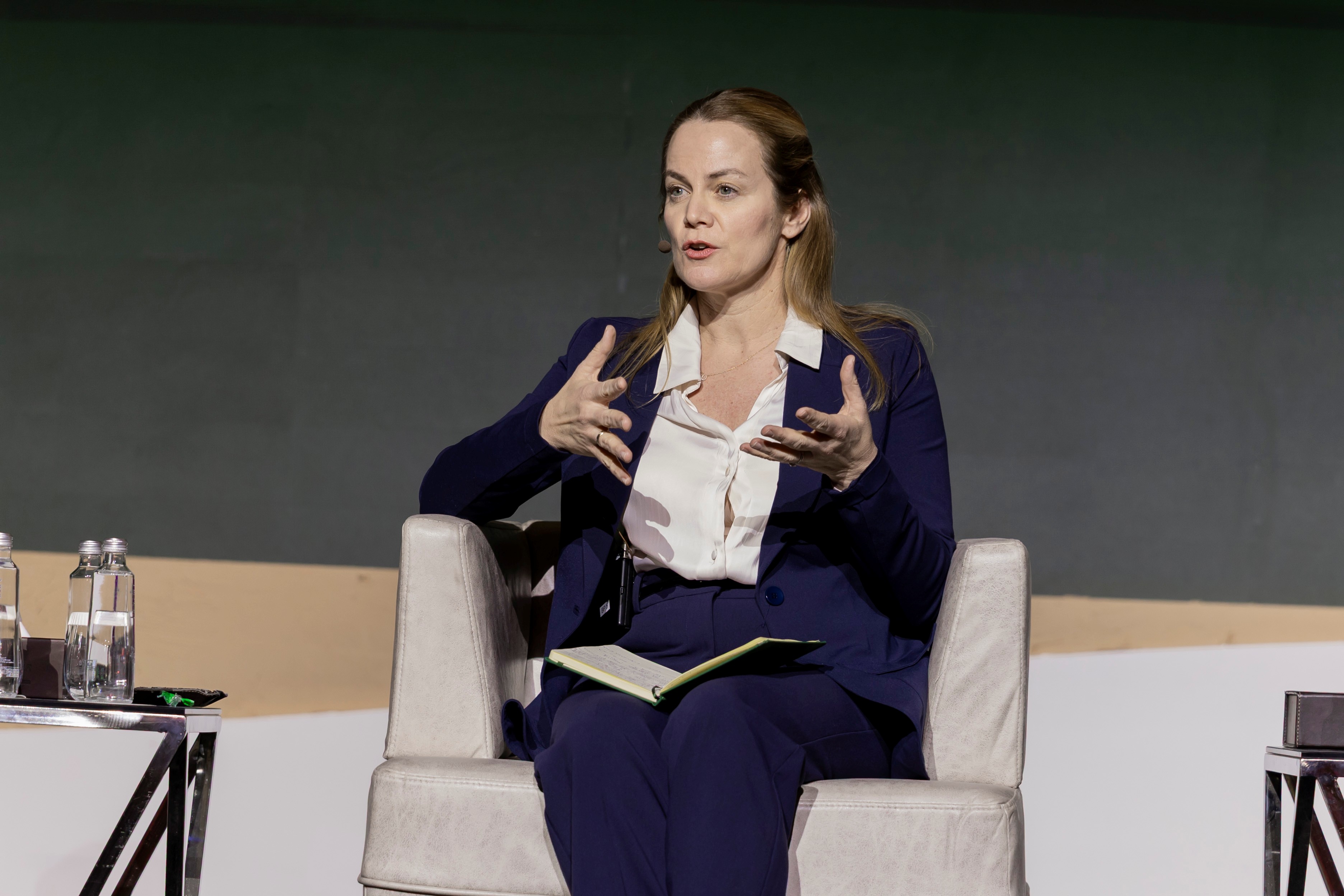
Mr Andrew Hore-Lacy, Chief Execuive Officer of Thoroughbred Breeders Australia and Aushorse, stressed the importance of maintaining a healthy production base, saying “Breeders are the engine room of racing. If we don’t have confidence at the grassroots level, the whole system is at risk. That means fair returns, strong sales and industry-wide support for breeders through biosecurity, trade access and promotion.”
He added that international cooperation would be critical to future growth. “No country operates in isolation anymore. Trade, shuttle stallions and global ownership mean our challenges and opportunities are shared,” he said.
Panellists agreed that technology, data and education would play a growing role in improving breeding outcomes and horse welfare, while also helping breeders manage risk. While acknowledging uncertainty in some markets, the panel struck an optimistic tone about the future.
“As long as we keep the horse at the centre of every decision,” Newton concluded, “the breeding industry can adapt, innovate and continue to underpin a vibrant global racing programme for generations to come.”
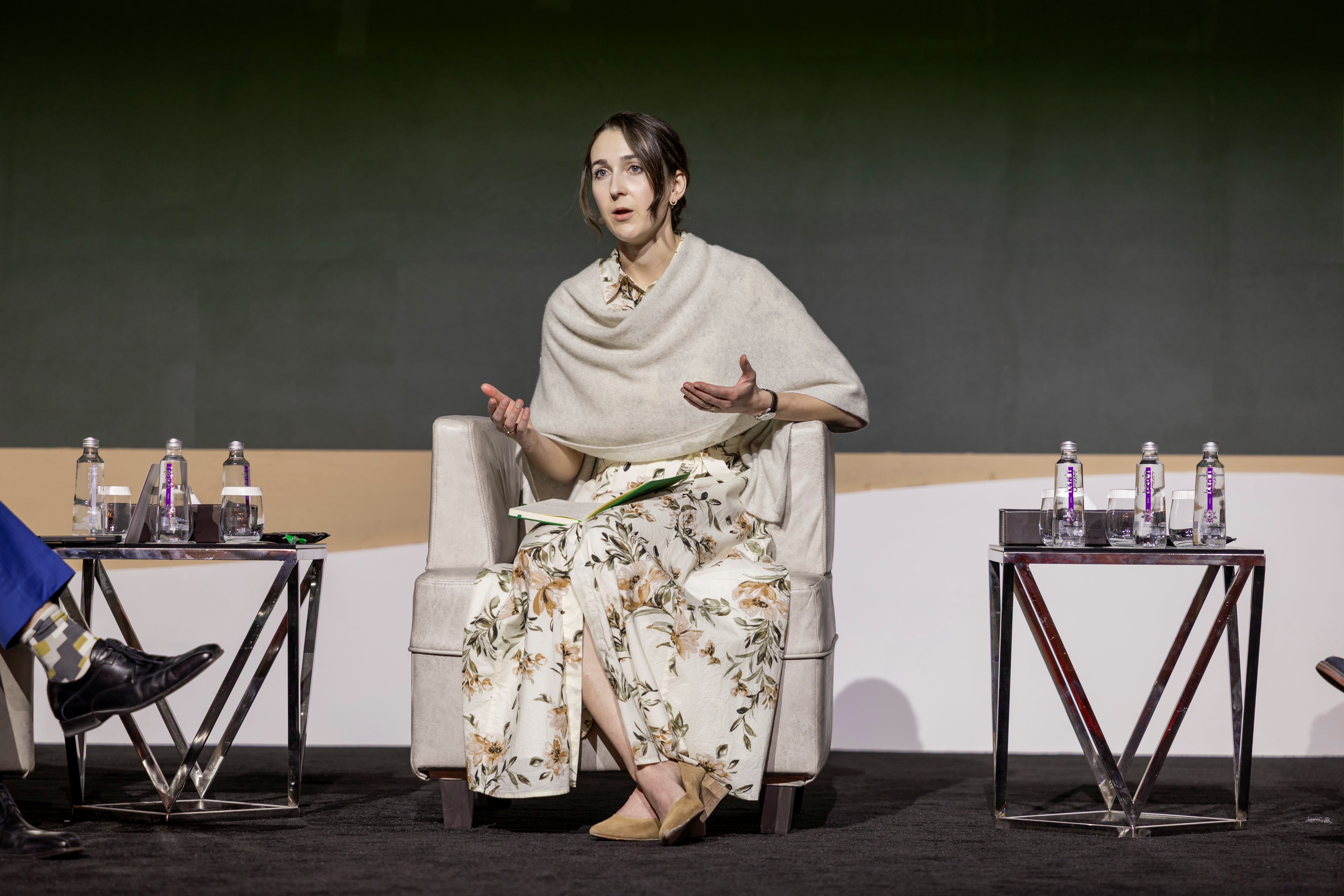
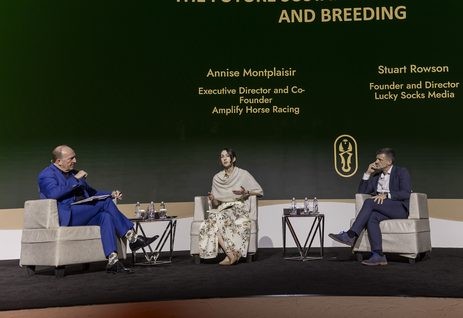
The final section of the session focused on attracting younger audiences and workforce pathways into horse racing with Ms Annise Montplaisir, Co-Founder and Executive Director of Amplify Horse Racing, emphasising the importance of mentorship and creating a streamlined pathway for young people.
“To this point, we've had over 100 mentee graduates from over 30 different states across the US. Their backgrounds range from turning on the TV, seeing a horse race and thinking ‘that's really cool, how do I get into it?’ to young people who are already connected to horses, and they wanted to specifically learn more about the thoroughbred industry,” she said.
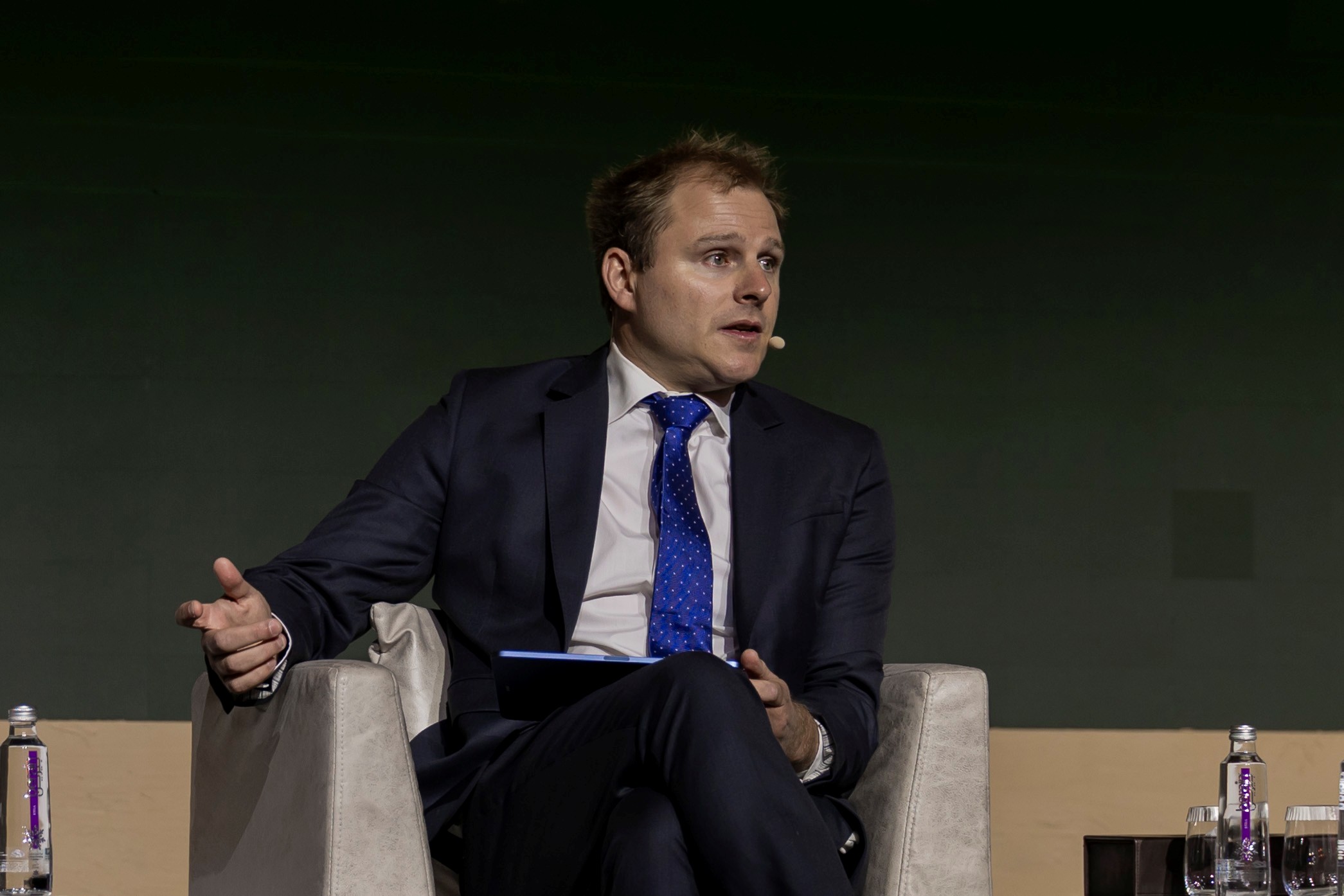
Mr Stuart Rowson, CEO of Lucky Socks Media said ‘young people’ in horse racing audience terms were considered to be around 25, but passions are discovered at a much younger age and that life-long affiliations are born when children are around eight years old, be it horses, musicians or football.
“There might be great initiatives around attracting the younger audience, but they are only sticking plasters on a longer-term problem. You know, it's great to get 25- year-olds down to the races, and they have a great time and they go away again, but that's only a temporary fix.”
All photos courtesy of the Asian Racing Federation/ Jockey Club of Saudi Arabia
