
Thursday 12 February, 2026 – Horse welfare potentially presents an existential threat to the global racing industry but a unified, coherent approach from jurisdictions globally will ensure the sport can enjoy a sustainable future, the Asian Racing Conference heard on Thursday.
Horse racing faces challenges on numerous fronts including dwindling foal numbers, engaging new audiences and staying relevant, but the care of horses throughout their lives has been a constant thread through the week of the Asian Racing Federation-organised event in Riyadh.
Dr Eliot Forbes, Chief Executive, Racing Integrity Board of New Zealand, and Chair of the International Forum for the Aftercare of Racehorses (IFAR), said the threat was existential and it was essential racing authorities continued to align and work together.
“It is existential by nature,” he told the delegates. “And we don't want to have a situation where we turn around and be wondering what happens when we lose our industry. I think the welfare expectations are well recognised and well understood, and there is no excuse for any jurisdiction in relation to welfare. The challenge is there, and it makes it a critical part of sustainability.
“Aftercare must be more than a set of good intentions - credible aftercare is built on practical systems that put a spotlight on obligations and that make transparency the norm.
“Ten years on, IFAR is a global network that is lifting standards and making a great contribution to the sustainability of racing, and we're pleased that our work has not only made aftercare more visible, but we've helped aftercare become more structured, more professional and more connected. Most jurisdictions have not only acknowledged the importance of aftercare, but they've acted and delivered.”
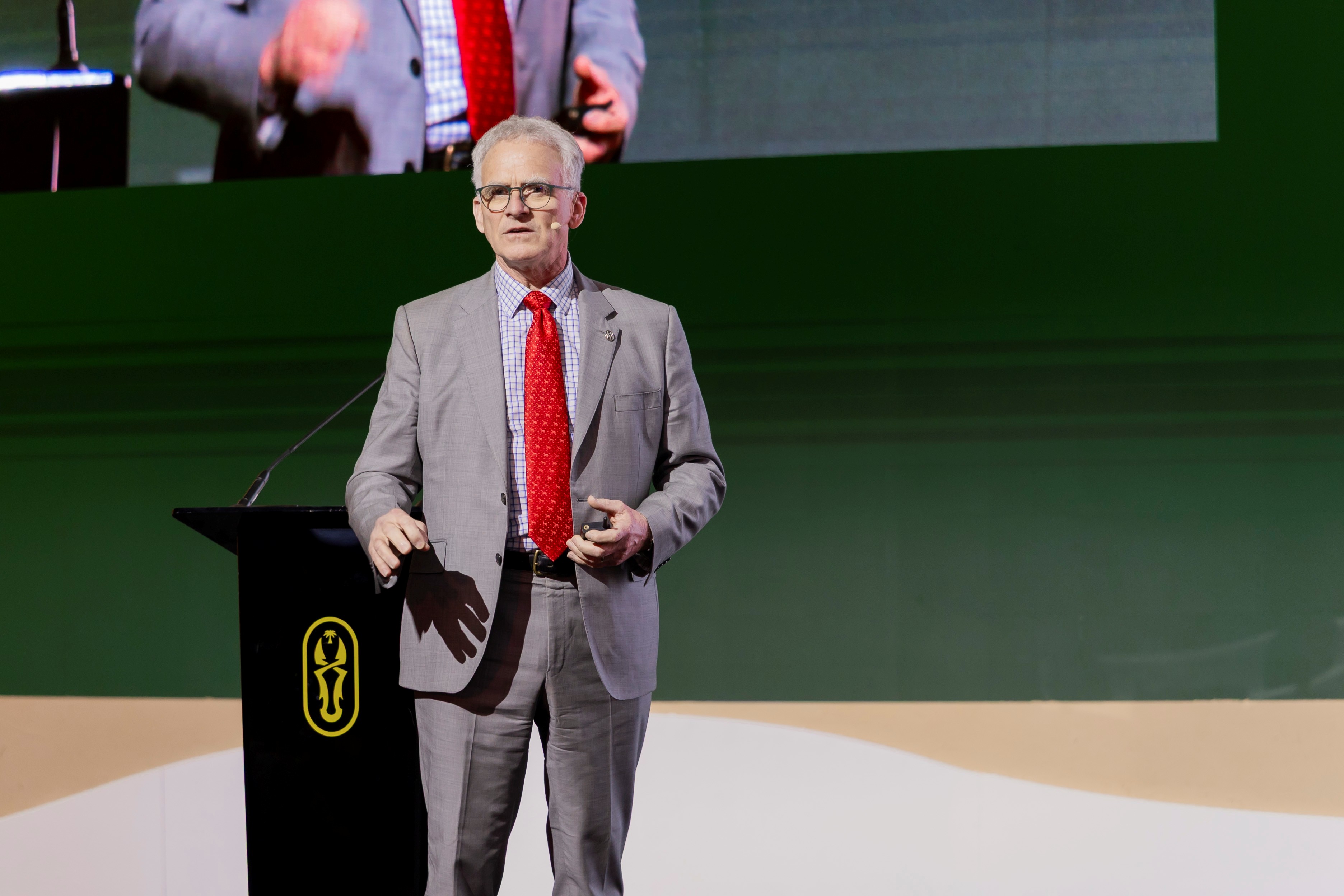
Dr Chris Riggs, Director, The Hong Kong Jockey Club (HKJC) Equine Welfare Research Foundation and Chief Advisor, Mainland Veterinary Engagement, at the HKJC, gave a sobering overview on the impact on reducing fractures globally but also pointed to the progress made through technology such as wearables to bring a more aligned approach and increased positive outcomes.
“How can racing collectively do that? The IFHA has made a big start towards that with the summit we had in Toronto and then in Hong Kong, primarily run by our Research Foundation, which has certainly helped draw that together. But we need, I believe, an industry-wide collaboration, we need to address the fragmentation,” he said.

Mr Abdullah Alaseeri, Secretary General, Saudi Equestrian Authority, said: “Welfare is not a mere compliance checklist. It's a core strategic outcome. This means welfare considerations are embedded in planning operations, evaluation of success, from breeding to training yards to the finish line. We view welfare as a foundation of a sustainable and honoured racing industry.
“Our aim is to foster a culture where everyone in the racing community wants to do right by the horse. Not just because of regulation, but because it is ingrained as the right to do, seeing world care as a pathway to excellence, rather than external obligation.”

Ms Lisa Lazarus, Chief Executive Officer, Horseracing Integrity and Safety Authority (US), revealed some good news regarding declining fatality numbers in the United States and urged a data-focused approach to make for more efficient decision-making.
“Racing has never been safer in the US than it is today. I'm very proud of that, and I really want to talk about how we built that by having a horse-centric approach, really relying on data and technology,” she said.
“Everything that matters at your fingertips - risk, insights, integrated, visible and actionable learning. Turning data into insight, insight into prevention. An ecosystem of care, a safer support built for today and for generations to come.”
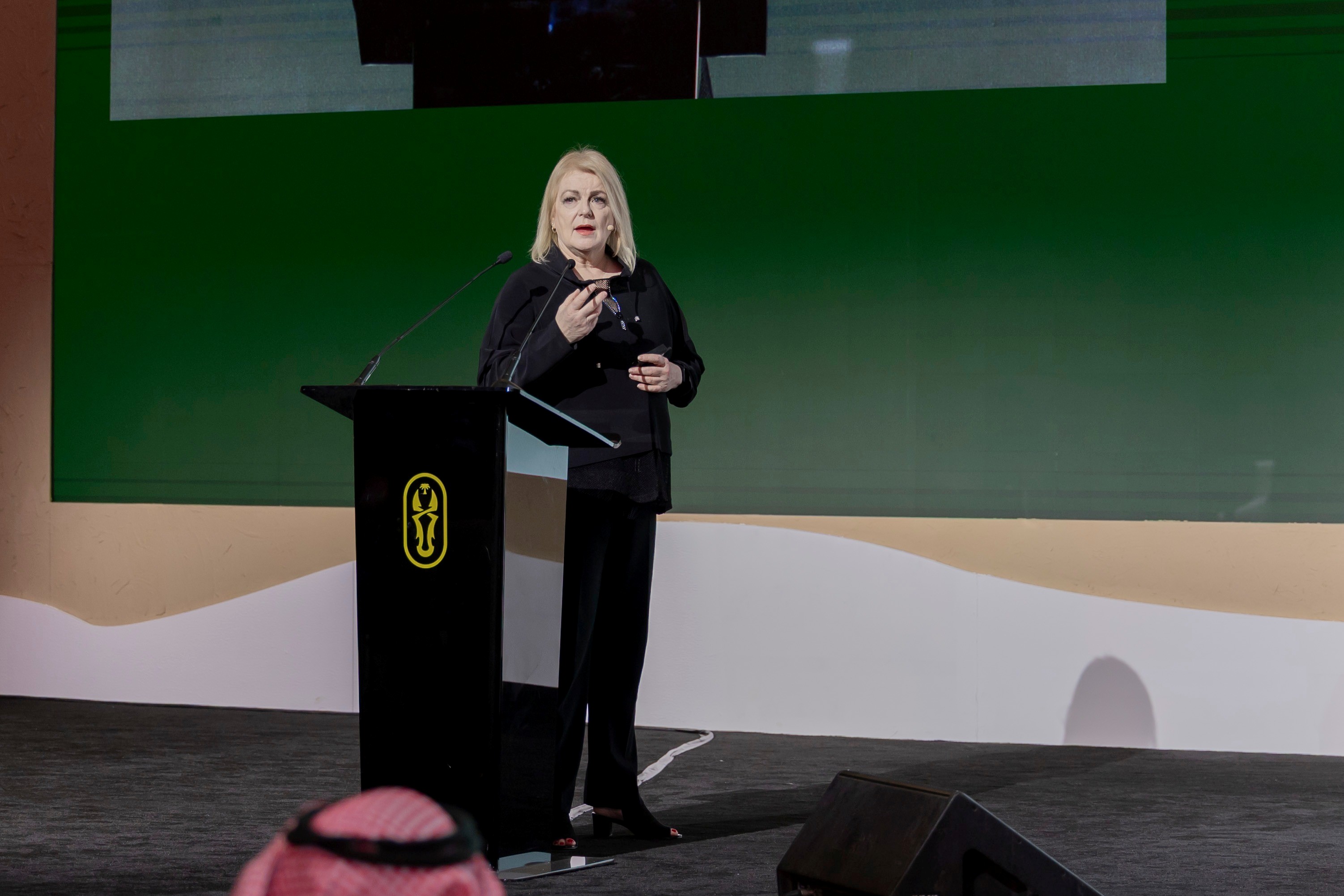
Dr Celia Marr, Associate Veterinary Specialist, Rossdales Equine Hospital and Diagnostic Centre, outlined the work of an IFHA-led working group established in 2024 to better understand exercise-associated sudden death (EASD) in racehorses, stressing the importance of clear definitions, consistent data collection and rigorous pathology.
She explained that EASD refers specifically to the fatal collapse of a previously healthy horse during exercise or within one hour afterwards and noted that despite advances, significant gaps remain in understanding what constitutes ‘normal’ cardiac and pulmonary function in elite horses.
She said: “Exercise-associated sudden death is a perfect storm of factors, which is why consistent definitions, better data and smarter use of technology are essential if we are able to reduce risk and protect the horse.”

All photos courtesy of the Asian Racing Federation/ Jockey Club of Saudi Arabia
