Wednesday 11 February, 2026 – The Gulf Horseracing Council (GHC) has made great strides in bringing alignment and cooperation across jurisdictions in the region in its first year of work, and an inspiring future lies ahead if the collaboration and focus continue, the 41st Asian Racing Conference heard in Riyadh on Wednesday.
Reflecting on the steep trajectory experienced by the new body in its maiden year, the panel at the Asian Racing Federation-organised discussion panel outlined the challenges faced by aligning so many different jurisdictions all needing to meet the highest of international regulatory conditions.
The GHC was established to be a collaborative body designed to unify, regulate, and advance the horse racing industry across the GCC member states, including the United Arab Emirates, Saudi Arabia, Qatar, Bahrain, Oman, and Kuwait.
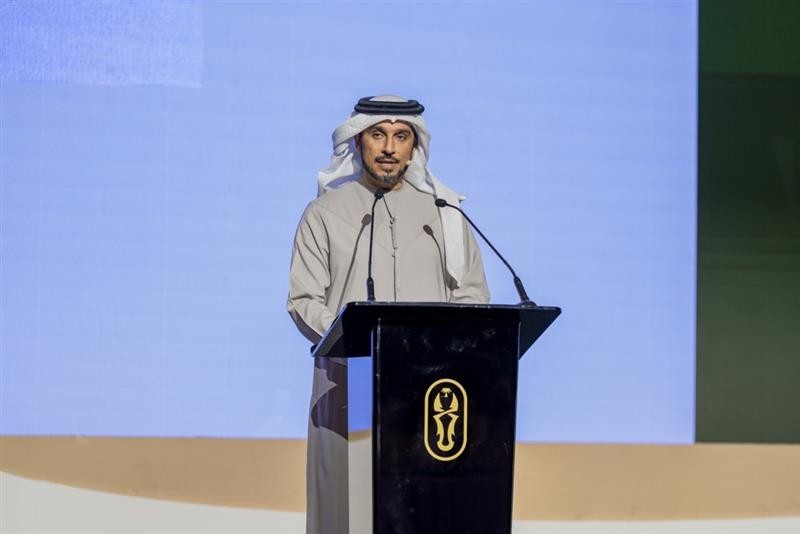
Three main challenges remain paramount, according to H.E. Mohammad Saeed Al Shehhi, Vice-Chair, Asian Racing Federation, Director-General, Emirates Racing Authority, and Chair, GHC – the frictionless movement of horses across the region, a robust, competitive pattern book in which trainers and owners can have faith, and an unimpeachable regulatory and integrity system.
“We are basically one brand that talks about the region’s horse racing,” he told assembled delegates.
“When we look at this Council, we look at how we can make this racing product more interesting. Dubai has great racing, Saudi has great racing, Bahrain and Qatar also, but how can we make it even more competitive for people to come and base themselves in many of these countries and then move around? The aim is to create something very special.”
He also highlighted the significance of new agreements between GHC countries regarding various regulatory matters, as well as confirming that samples for all Group and Listed races across the region would be analysed by an International Federation of Horseracing Authorities (IFHA) reference laboratory to further strengthen integrity.
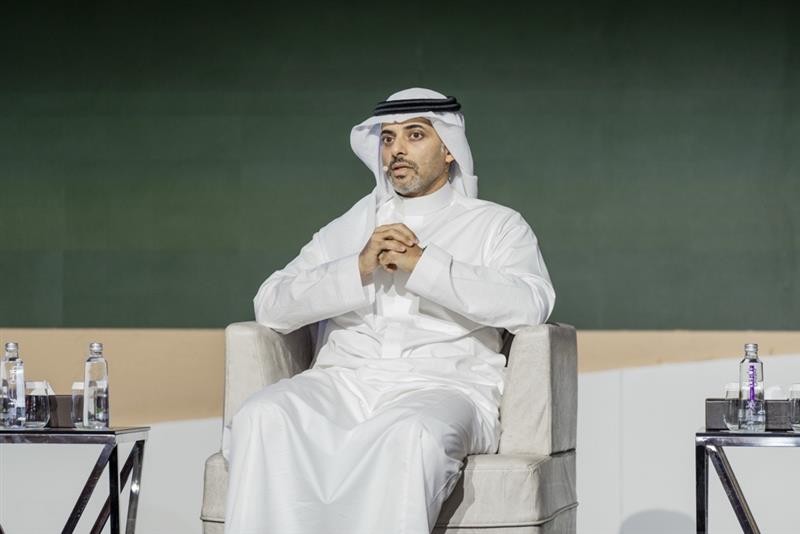
Operational and regulatory harmonisation was crucial if the Gulf was to compete and gain further respect in the wider global community, according to Mr Salem Binmahfooz, Chairman Advisor and Technical Committee Member, Jockey Club of Saudi Arabia, the host of this week’s Conference.
“We are aiming to deliver world-class horse racing, but we also recognise that to deliver this we must position ourselves among an Asian and global system. So, we thought that to move along and grow with success, we need to find a simple strategy, and that strategy would be operational harmonisation, and that's basically working with synchronised integrity,” he said.
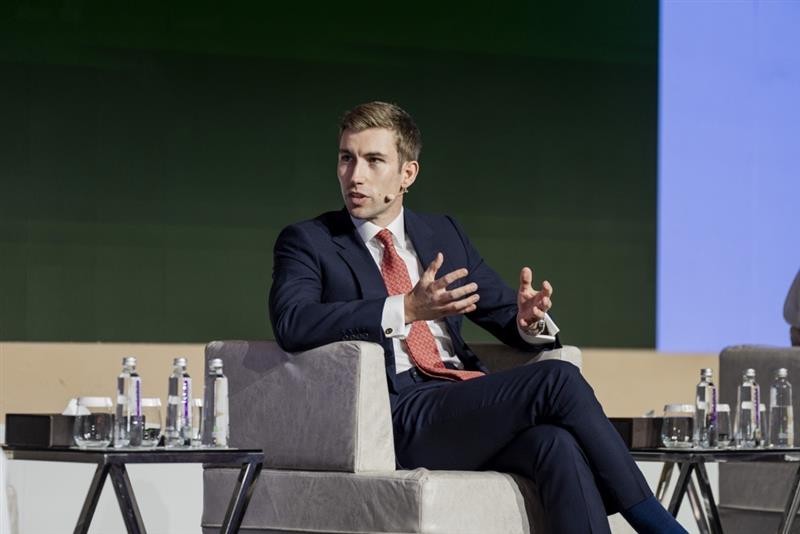
“Bahrain has always been a hub, a connector, a gateway to the region, a country that really understands the importance of the operation and the value of working together. If you look across the region at the moment and what we're seeing in sport and the magnitude of events that are coming here to the region, you'll see it at the Saudi Cup on Saturday, it's very inspirational and so is our vision,” Mr Edward Veale, Director of Racing & International Relations, Bahrain Turf Club said.
“One of the first objectives in this committee, is we collectively identified that there's a responsibility for us to be working together so that we can showcase what the full programme has to offer. How do we maximise participation and encourage cross-border participation?”
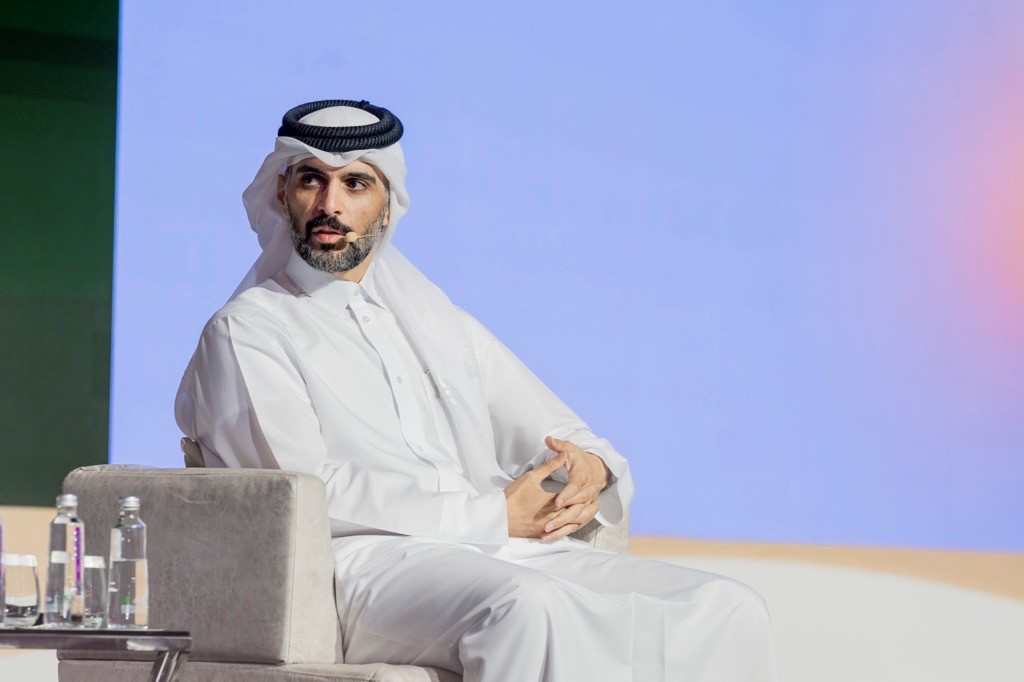
Mr Rashid Adiba, Racing Operations Manager, Qatar Racing and Equestrian Club, pinpointed the need to work with neighbours to construct a more robust product was clear.
“Cooperating with our friends all around the globe can enhance benefits on the economic side. We believe in that strategy. We believe supporting this investment and approach, some of the biggest income and benefits reflect directly to the country itself.”
As Al Shehhi concluded: “One region, one spirit, one future. It depends on cooperation, consistency and trust, underpinned by a commitment in welfare, integrity and internationally aligned standards. Since the establishment, the Council has focused on turning our shared vision into practical outcomes.”