
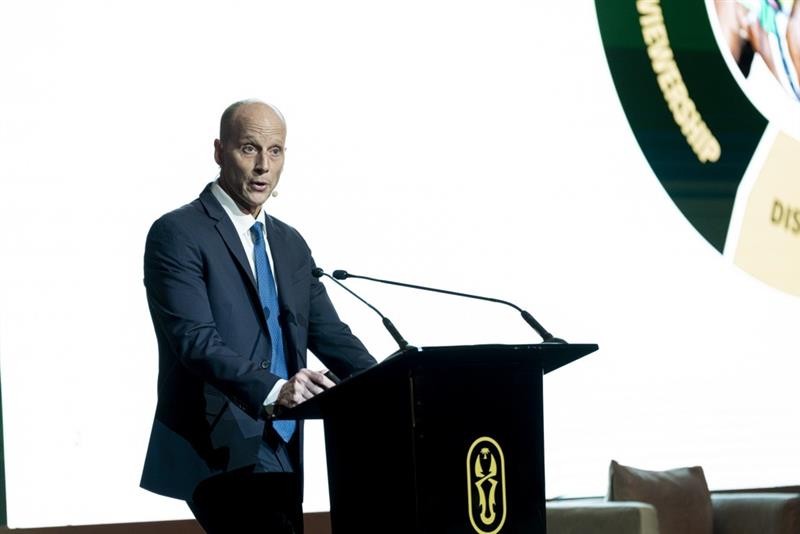
Tuesday 10 February, 2026 – Storytelling was one of the key pillars on the opening day of the 41st Asian Racing Conference in Riyadh, with The Hong Kong Jockey Club (HKJC) Executive Director of Sports Business, Mr Casper Stylsvig, outlining how horse racing can learn from Formula 1 as it strives to increase fan engagement across the globe.
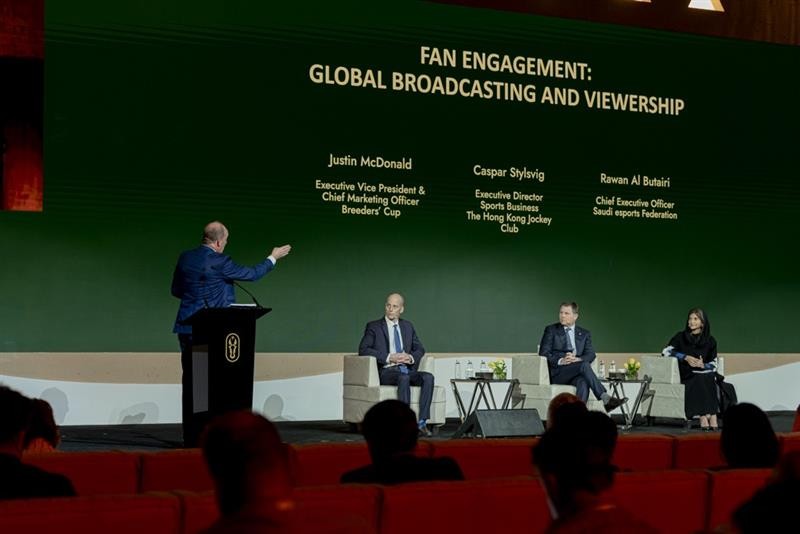
In Tuesday’s second session, titled Fan Engagement: Global Broadcasting and Viewership, Mr Stylsvig pointed to how shifts in fan behaviour, the continued post-pandemic rise of live attendances and advances in broadcast quality and enhanced viewing experiences present new opportunities for the sport.
At a time when the HKJC and the sport more broadly is grappling with an ageing and male-dominated fan base, Mr Stylsvig highlighted the trajectory of Formula 1 viewership as racing faces escalating competition for attention.
“In 2017, F1 was having big problems around an ageing fan base, being too data-centric and too technical, which was impacting viewing numbers and therefore broadcast rights,” he said, before referencing the Drive to Survive Netflix series.
“Instead of selling facts they’re selling emotions. People want to see emotions and they want to see what’s behind the scenes.”
Mr Justin McDonald, the Executive Vice-President and Chief Marketing Officer of Breeders’ Cup Limited, outlined how the Breeders’ Cup Challenge Series has been used to drive global interest.
A “win-and-you’re-in” series consisting of 95 races across 14 countries, with 45 of those races run outside the United States, Mr McDonald said the Challenge Series is “one of the clearest examples of global collaboration in racing, connecting the world’s best racing festivals throughout the year through a shared pathway”.
“When you bring the best horses in the world together you create something in front of people. That global participation drives interest and global interest creates opportunities to further engage the fans. All this drives viewership and long-term fan participation,” he said.
“That level of international participation doesn’t just enhance competition, it fundamentally changes who cares about the event and where that interest is coming from.”
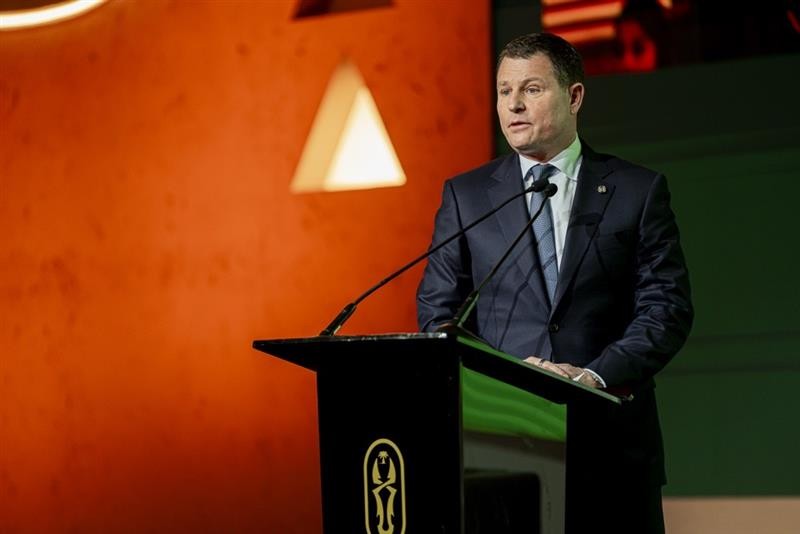
“Once interest is created, the next challenge is engagement, and engagement today looks very different than it did five years ago. Fans now expect content everywhere and all the time. They engage before the event, during the live event and well after the event is over.”
The Breeders’ Cup has used a mix of broadcast content, “non-live” content and streaming to drive viewership in the product, with recent studies showing 90 per cent of Gen Z sports fans use social media to consume their sports content.
“Non-live content is no longer secondary, it’s essential. At the Breeders’ Cup, our social media team is always on, producing content year around,” said Mr McDonald.
“The Breeders’ Cup has spent the last decade working to strategically expand our global media rights and live broadcast distribution.
“By packaging our rights together we offer a one-stop shop that makes it easier for broadcasters to acquire rights, monetise those rights and build consistent audiences.
“Last year the Breeders’ Cup renegotiated its media rights deals to carve out live streaming of our races so now our fans can watch Breeders’ Cup races live across our YouTube, Facebook and X channels. That access to our live content is also a powerful discovery and engagement tool, particularly internationally.”
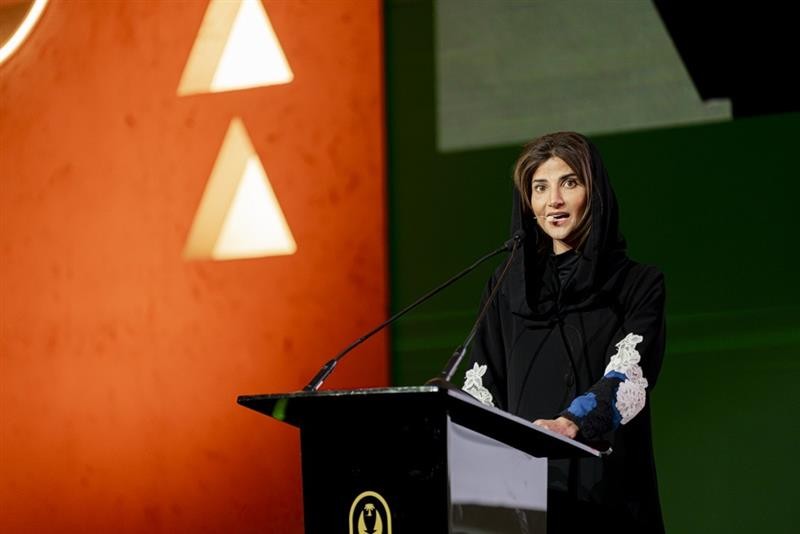
Rawan AlButairi, the Chief Executive Officer of the Saudi Esports Federation, has overseen massive growth in Esports in the Kingdom since the inception of the Federation in 2017.
“Numbers are important but storytelling and investing in content creation is absolutely fundamental in everything we do,” she said, saying Esports in Saudi Arabia has used social media, streaming and online communities to expand its fan base.
“Younger fans really discover sport online before watching it live. We need to engage them by storytelling and broadcasting is not the only journey for the fans.”
