
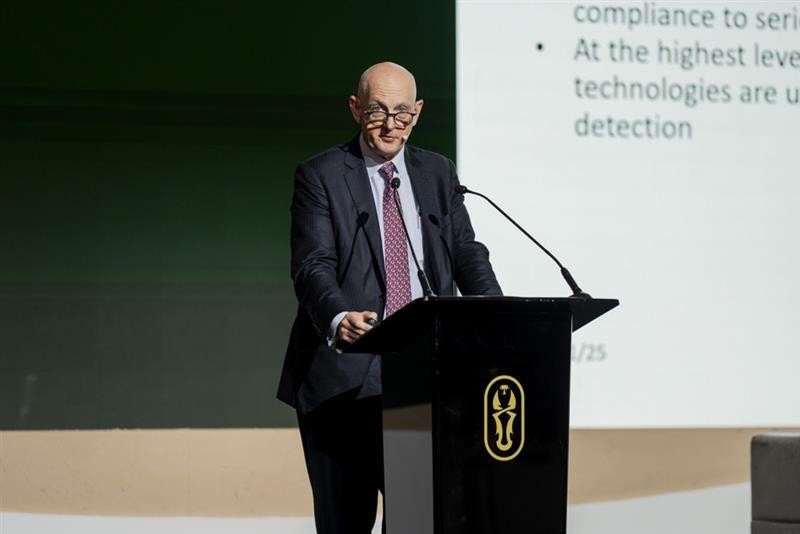
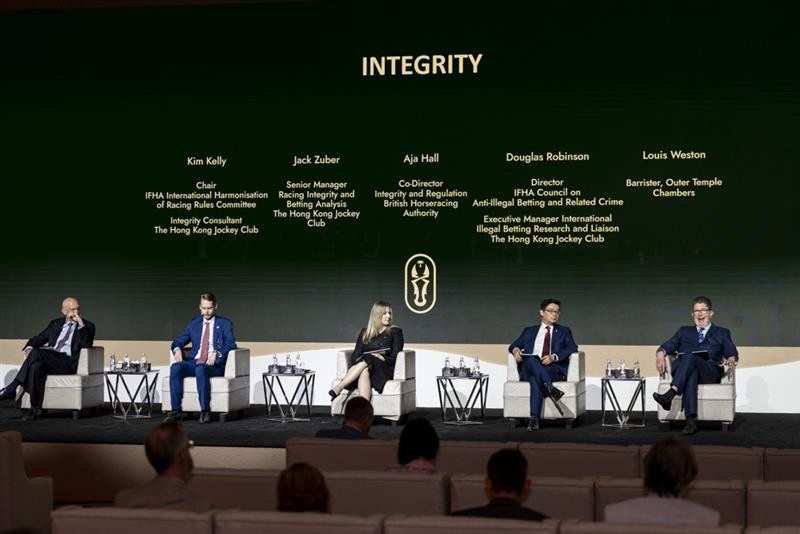
Wednesday 11 February, 2026 - During Wednesday’s final session, titled ‘Integrity’, at the 41st Asian Racing Conference in Riyadh, Mr Kim Kelly, Chair, IFHA International Harmonisation of Racing Rules Committee and Deputy Commissioner, Queensland Racing Integrity Commission, declared that “racing is in a very good space”, while adding “the biggest threat to the integrity of horse racing is illegal and unregulated betting markets”, with the anonymity provided by crypto-driven illegal betting creating constant headaches for regulators.
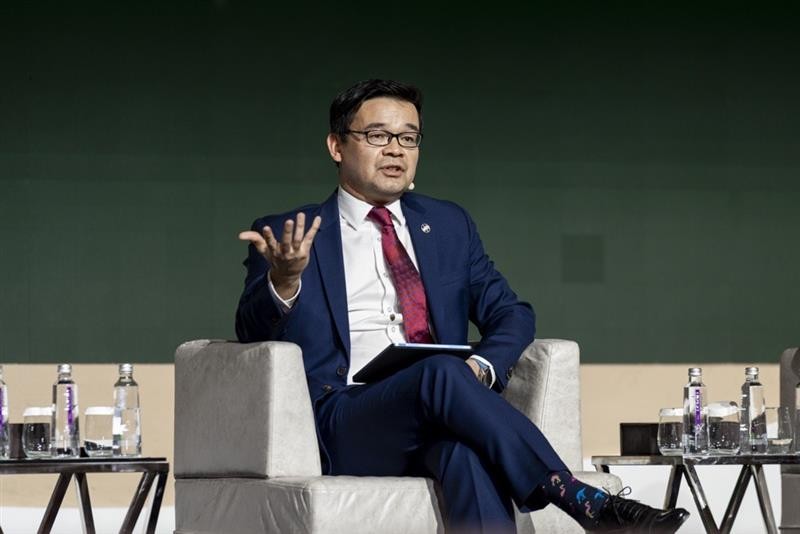
“Illegal betting has exploded over the past couple of years,” said Douglas Robinson, Director, IFHA Council on Anti-Illegal Betting and Related Crime and Executive Manager, International Illegal Betting Research and Liaison, The Hong Kong Jockey Club.
“Crypto is fuelling this explosion. Customers love it because transaction times are really short and using crypto means that the customer is essentially anonymous.
“The last time we talked about it in 2024, we examined a group of illegal betting websites, and we found that roughly 25 per cent of them were offering crypto currency payments. That figure is now close to 50 per cent.
“What is happening from a regulatory perspective? Not a huge amount. While financial regulators have begun to impose controls on crypto assets, gambling regulators have largely failed to keep pace.”
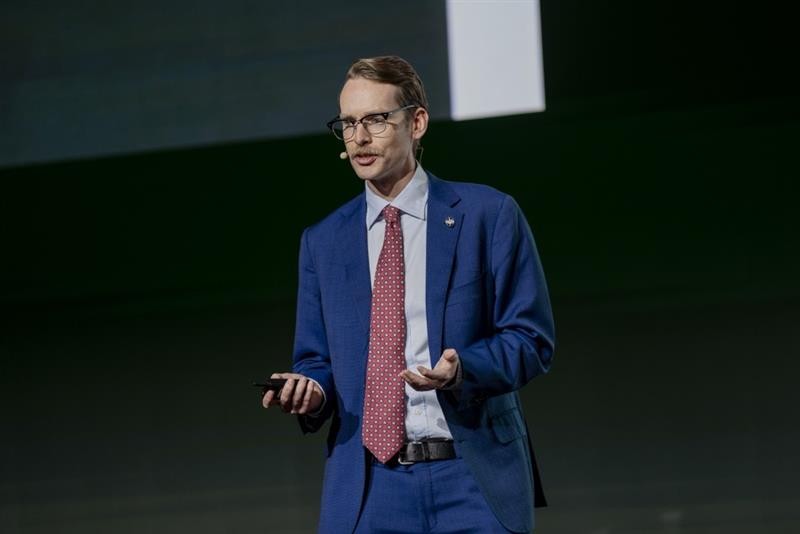
Mr Jack Zuber, Senior Manager, Racing Integrity and Betting Analysis at the Hong Kong Jockey Club, explained how he is using technology to predict horse performance and better identify suspicious betting patterns.
“Performance is a good indicator of both betting moves and actual performance. What we’ve tried to do is develop models capable of accurately predicting the current performance of the horse,” he said.
“What parts of actual performance do we want to predict? A pretty obvious starting point is the starting price of the horse and in Hong Kong starting price is a great indicator of actual performance. Perhaps surprisingly, settling position of the horse is a really good indicator as well. These are two models we’ve focused heavily on developing.”
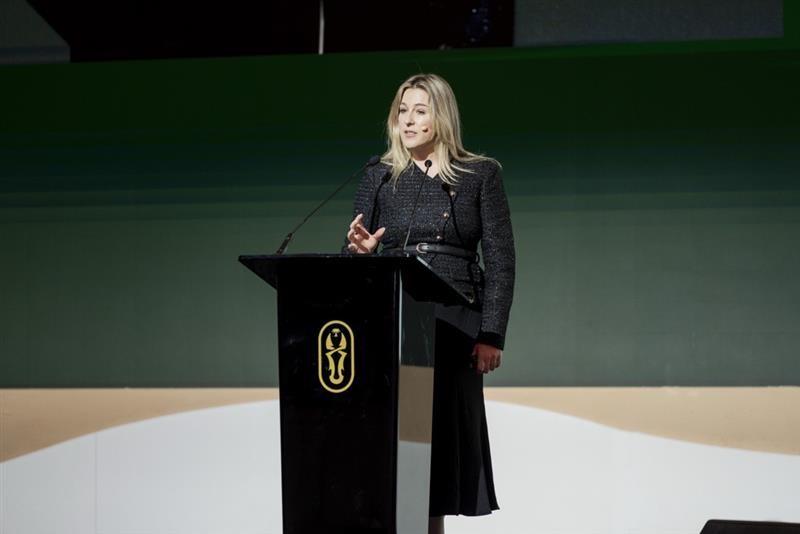
Ms Aja Hall, Co-Director of Integrity, Regulation and Safeguarding at the British Horseracing Authority (BHA), spoke about humanising the integrity process and safeguarding the sport’s participants.
She referenced the case of Dylan Kitts and John Higgins, who received lengthy bans last year after stopping a horse from winning at Worcester, which saw the BHA use data extraction for the first time.
“A short time after the charges had been laid, we received a phone call from the Racing Post notifying us that they had received a copy of the charge sheet. It was their intention to publish this and to write a story alongside it. But in the background we knew one party in particular was really struggling with the entire process and we were generally concerned about his health and well-being and feared an article such as this would really tip the balance.
“We sought to persuade the Racing Post not to publish the story but unfortunately, of course, it was too good a story. So we had to think outside the box. We made an offer. What about if we give you an exclusive – will you not publish the story at this time? We agreed.
“The steps we took in this case highlight that we can still rigorously prosecute our cases but not forget there are humans are involved.”
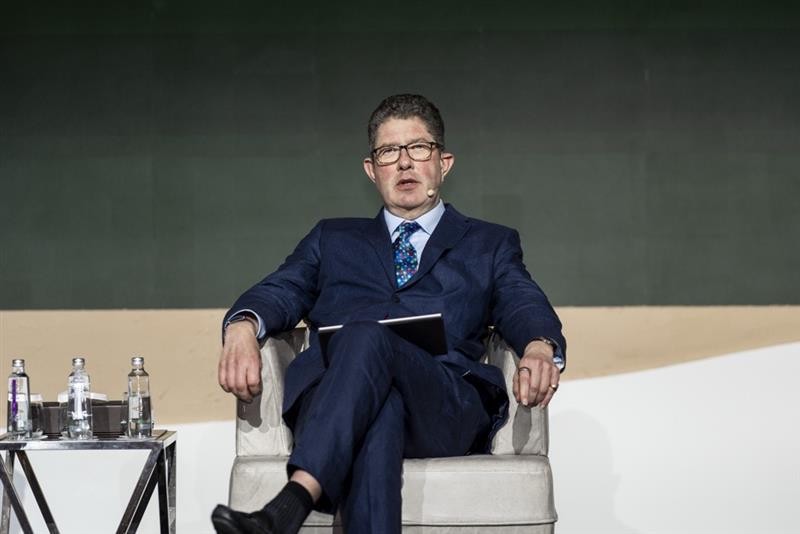
Mr Louis Weston, Barrister, Outer Temple Chambers (London), also joined the panel discussion and said horseracing was proactively tackling integrity challenges as all sports came under intensified scrutiny.
“The public is better informed than it’s ever been, and it knows that if a sport says it doesn’t have any problems with integrity, then it’s in denial,” Mr Weston said. “Sports that come out and say ‘We’re fighting it (corruption) and show that they are tackling corruption where it happens, the public respects that.”
All photos courtesy of the Asian Racing Federation/Jockey Club of Saudi Arabia
