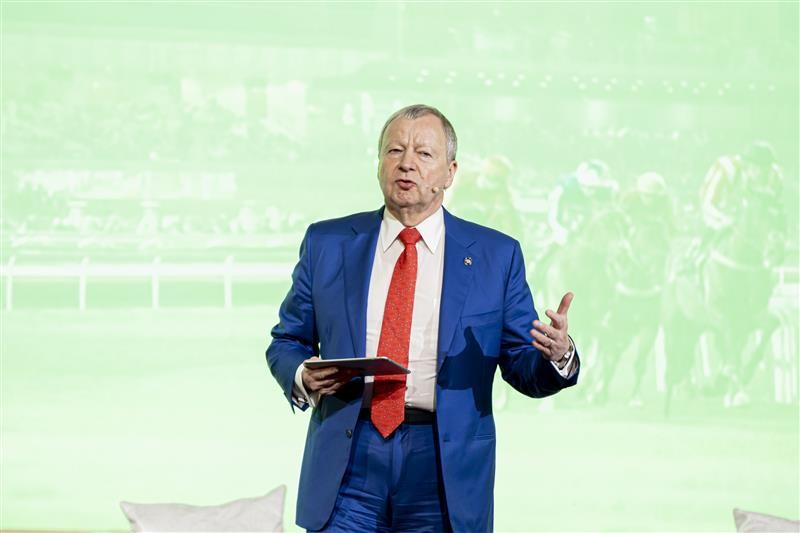
Tuesday 10 February, 2026 – Global horse racing must collaborate more effectively to tell its story better if it is to fend off increasing challenges from a narrowing customer base, the growth of illegal betting operators and increased competition from sports betting, Mr Winfried Engelbrecht-Bresges told the Asian Racing Conference in Riyadh on Tuesday.
The Asian Racing Federation (ARF) Chair and Chief Executive Officer of The Hong Kong Jockey Club addressed the opening session of a three-day Business Programme in the Saudi capital at the 41st staging of the Conference, hosted by the Jockey Club of Saudi Arabia.
Mr Engelbrecht-Bresges noted that since the Conference last met in Sapporo in 2024, another tranche of challenges had evolved to endanger the horse racing industry.
As well as longer term issues such as fragmentation, integrity, and an ageing customer base, the rising competition from sports betting and prediction markets were making the attention economy even tighter and horse racing needs to respond.
Mr Engelbrecht-Bresges also discussed the importance of branding horse racing as a global sport, saying it already had all the necessary elements. He highlighted the example of Calandagan, the 2025 LONGINES World’s Best Racehorse, after Group 1 victories in the Champion Stakes at Ascot, the Grand Prix de Saint-Cloud, the King George VI and Queen Elizabeth Stakes, and the Japan Cup.
“We have to create these global events,” he told delegates. “And when you step back, why was Calandagan crowned the world’s best horse? Why was he the champion? Because he went to Japan. Calandagan took on the best Japanese horses and won. This is an event which creates global attention, which as a sport we don’t do enough.
“This is how we have to cooperate, how we have to collaborate, and how we create a fan base, not only in our own jurisdictions, but a much more global fan base.”
Mr Engelbrecht-Bresges said horse racing was locked in a mindset about competing events across the world when joining forces and building greater stories with a wider appeal would help drive the audiences the sport needs.
“We want to promote our sport globally, we create heroes, we create competitions, and we create platforms which enable us to build much wider promotion and familiarisation with new customer segments. If we collaborate globally, then we have a chance to turn the tide.”
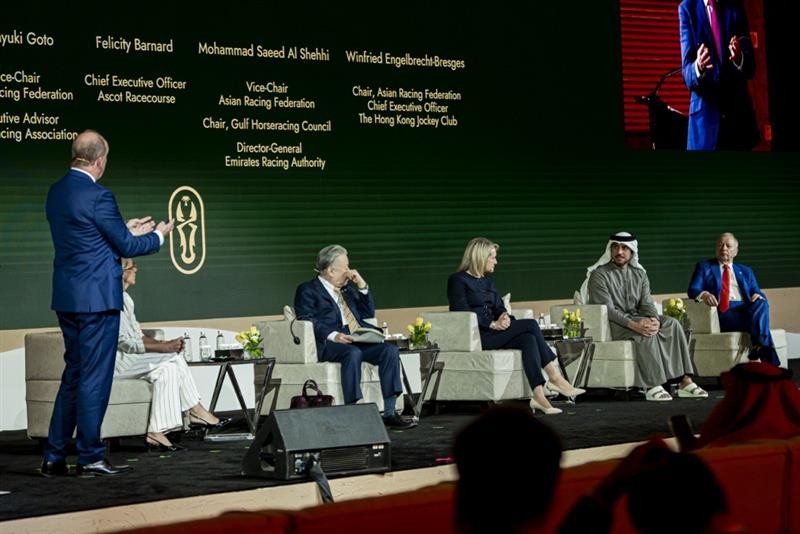
His opening remarks were followed by a panel session which focused on the different ways of attracting new interest in the sport, from developing Al to better use of social media channels like TikTok, which could be the drivers of engagement with racing’s next audiences.
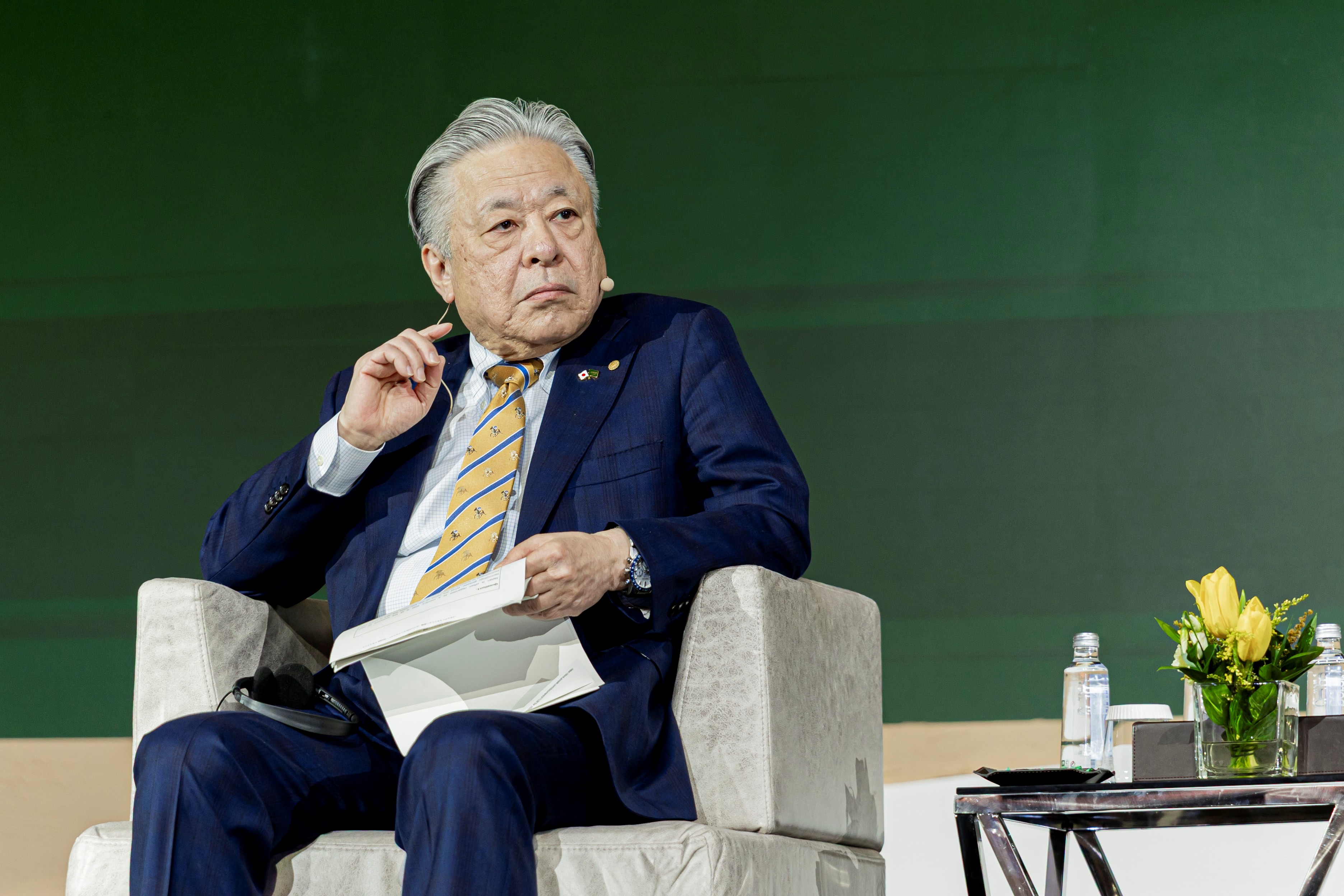
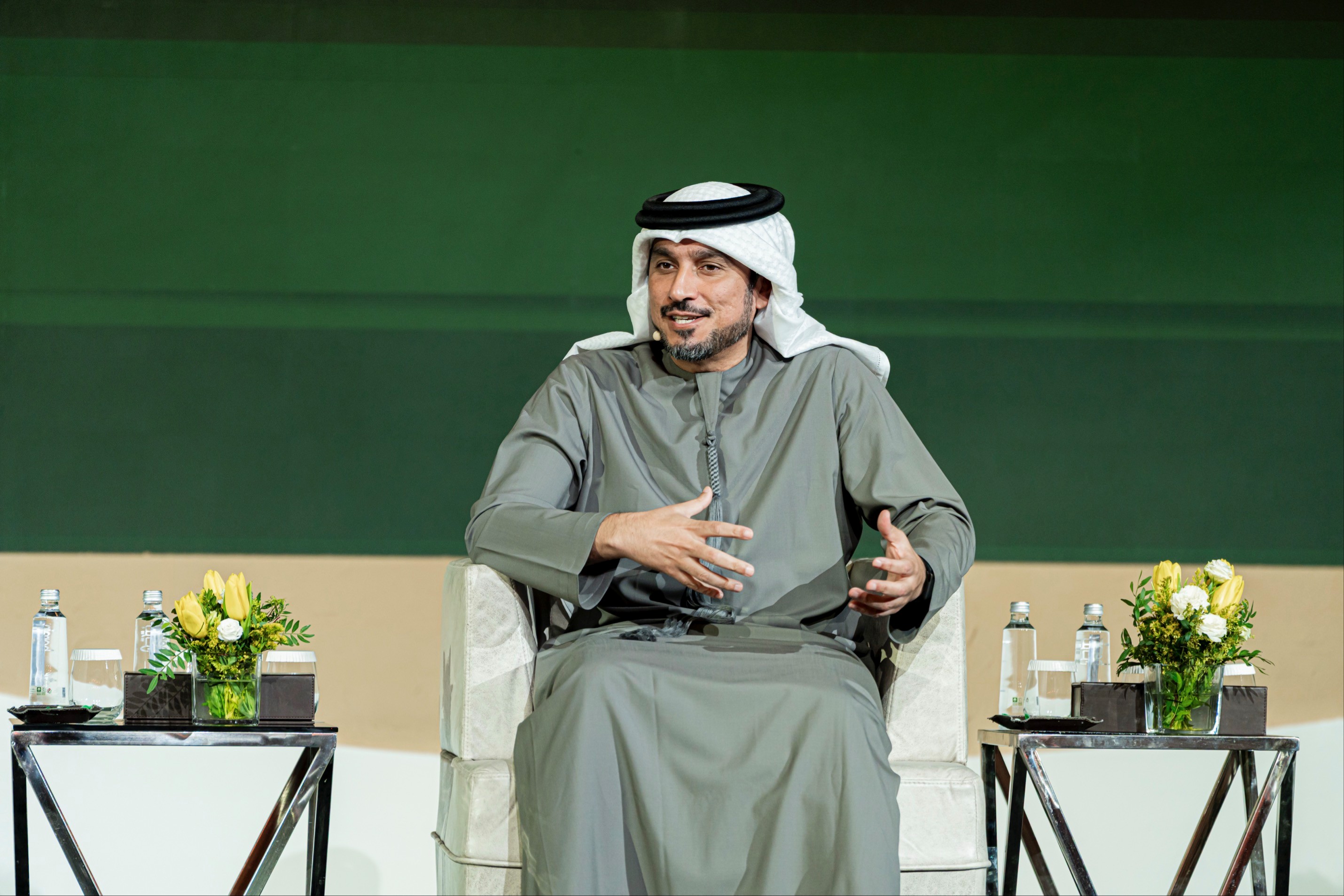
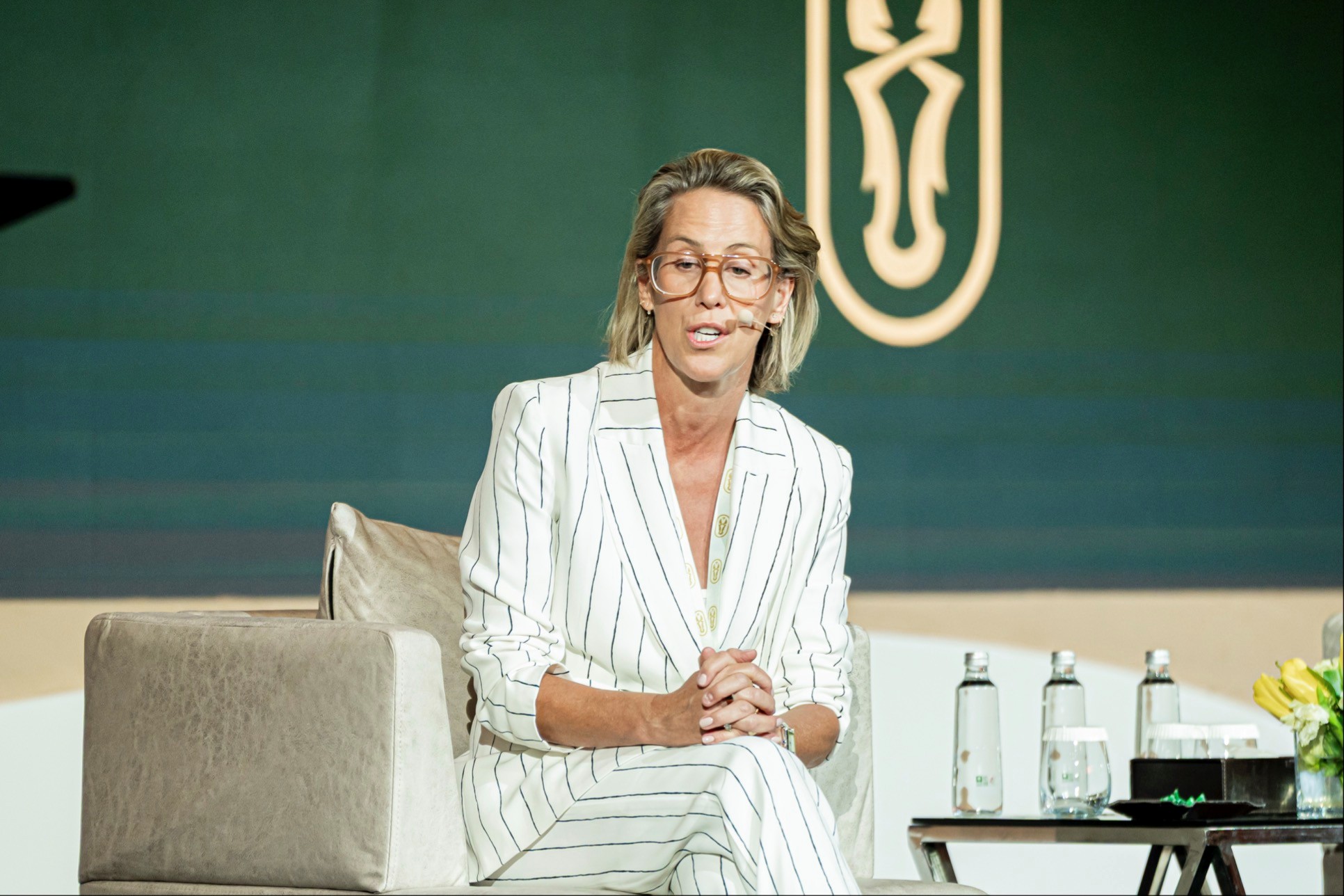
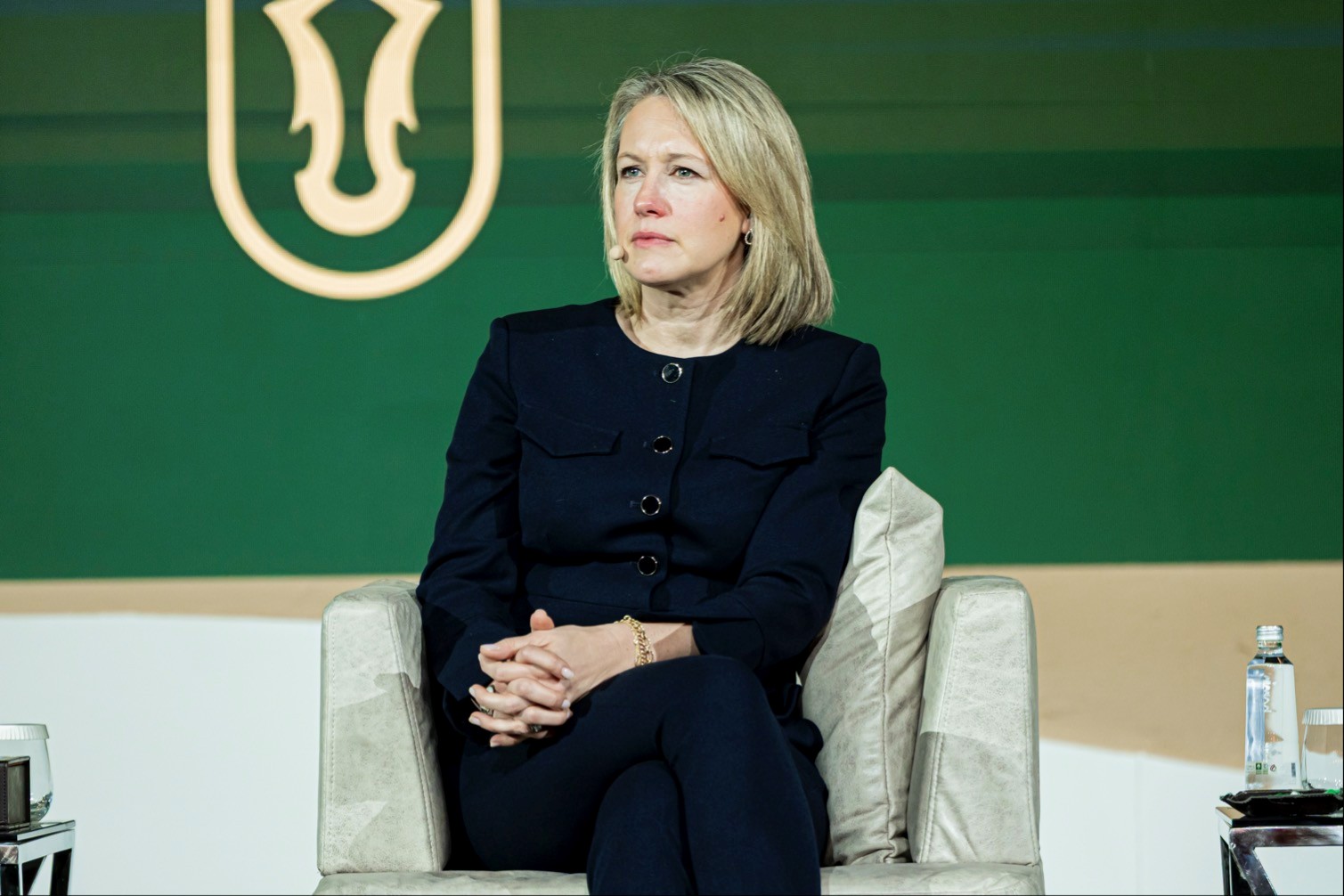
The panel featured Masayuki Goto, ARF Vice-Chair and Executive Advisor, Japan Racing Association, H.E. Mohammad Saeed Al Shehhi, ARF Vice-Chair and Director-General, Emirates Racing Authority, Kylie Rogers, CEO, Victoria Racing Club, Felicity Barnard, CEO, Ascot Racecourse and Mr Engelbrecht-Bresges.
Mr Al Shehhi cited the example of the Olympic Games where content creators were encouraged to generate bite-size content for the TikTok generation and opened the door to behind the scenes in different sports in an effort to engage audiences which would otherwise have been out of reach.
“People were interested to know more about the lives of champions, about the Olympic Village, about what they do behind the scenes, more than seeing the competition themselves, which are there on the traditional media. The span of every clip, and attention span of everyone seeing TikTok is around four seconds. You should create content that in four seconds will help attract those young audiences to know more about this sport.”
Ms Rogers said storytelling around horse welfare and back of house content had opened the door to potential new audiences too.
“During our carnival last November, we dedicated a whole area to a welfare hub. It was a collaboration with Racing Victoria, and we told those stories about how much we are doing to protect and care for our horses. We’re using social media to tell those stories. And guess what? Attendances are increasing,” she said.
Mr Goto spoke about streamers and production companies developing new programme formats and story ideas in a bid to further expand the appeal of racing in Japan, highlighting the success of the TV series, The Royal Family. “The ten-part series reached a usage rating of over 10% which is a benchmark for a popular programme in Japan,” he said.